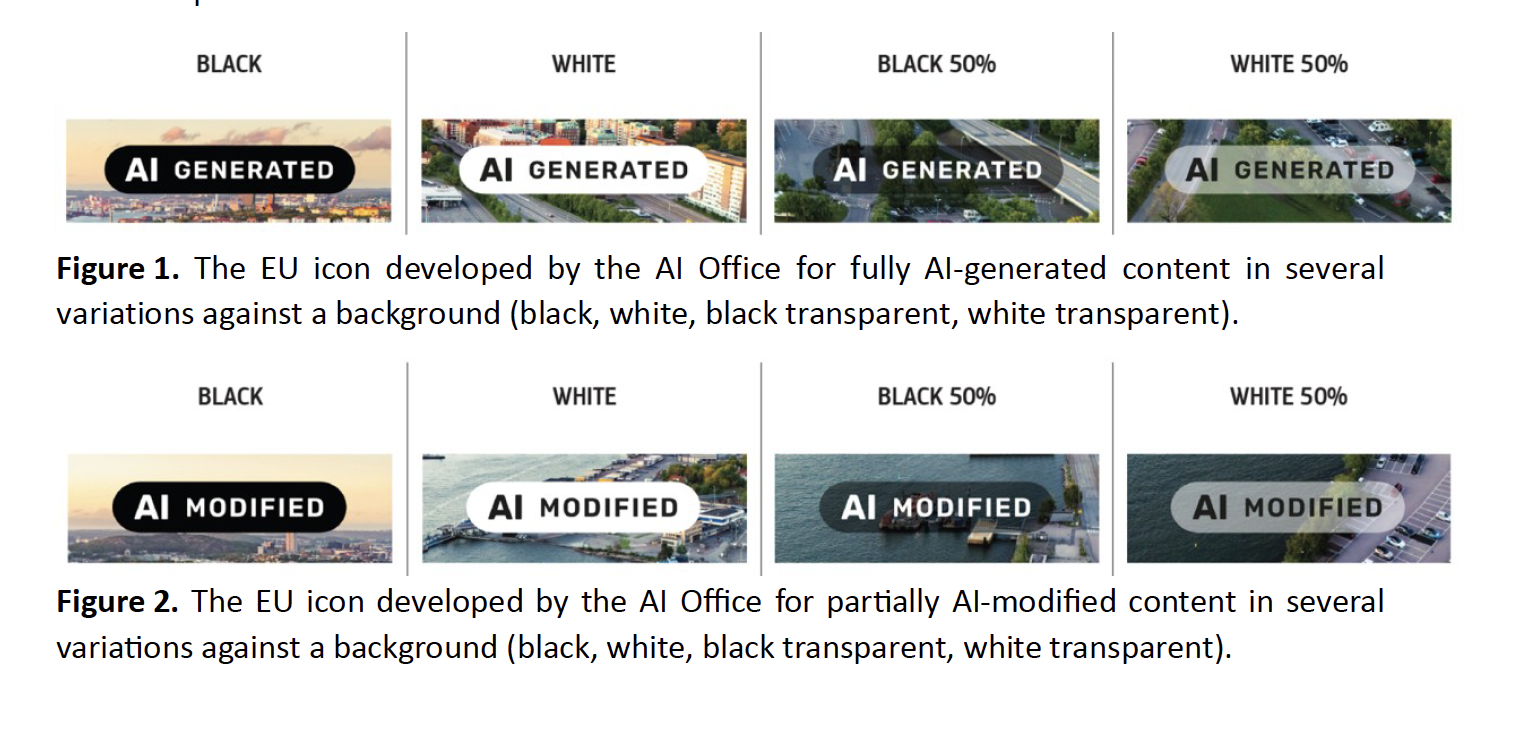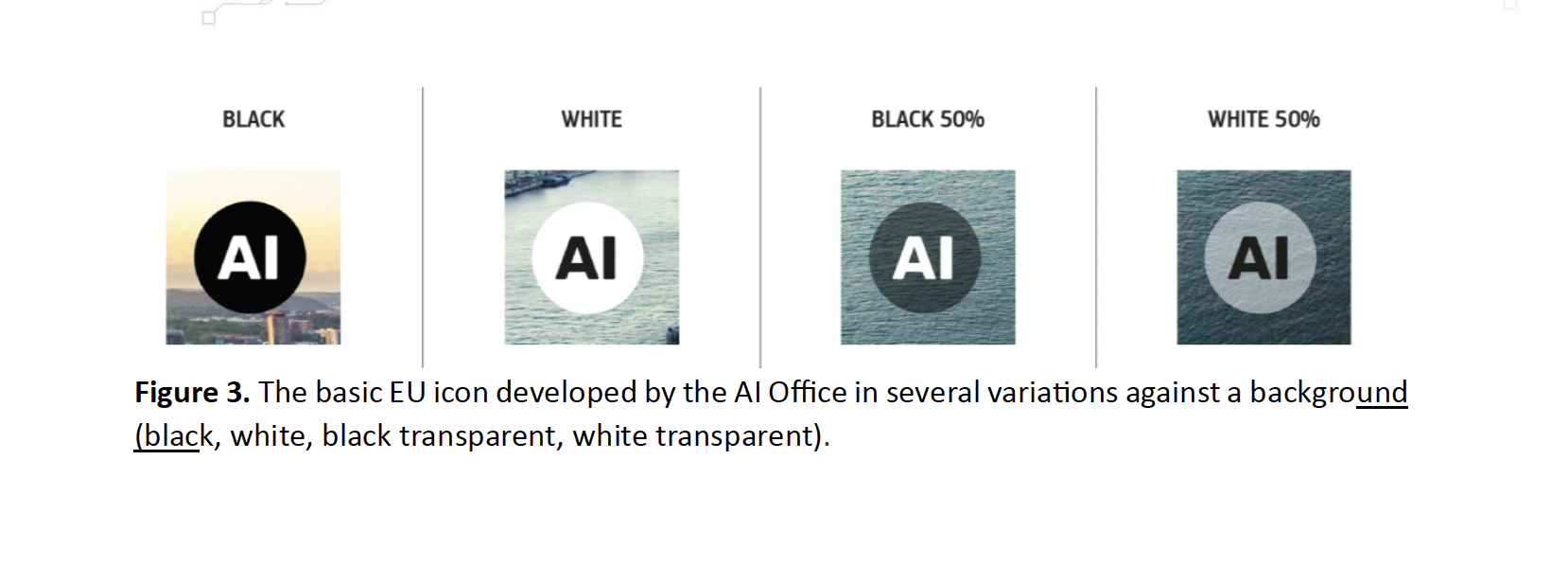
The European Commission has published the Code of Practice on Transparency of AI-Generated Content, supporting compliance with the transparency obligations of the EU Artificial Intelligence Act.
Noetic AI participated in the drafting process through both working groups on Article 50 obligations: marking and detection requirements for providers, and disclosure requirements for deployers of generative AI systems.
The Code addresses practical questions around the identification, marking, detection, and labelling of AI-generated and manipulated content, including deep fakes and certain AI-generated text on matters of public interest. Transparency obligations under Article 50 apply from 2 August 2026.
Zoi Roupakia, Founder of Noetic AI, said: “The publication of the Code marks an important step in the implementation of the EU AI Act. It reflects a broader shift in AI governance, from principles to implementation, where legal requirements must be translated into practical tools, technical specifications, and operational guidance.”
Noetic AI's participation in both working groups reflects its focus on the implementation frontier: where legal obligations require technical specification and policy frameworks require practical design.
The final code and supporting guidelines are available via the EU AI Office.
Further reading:
Earlier this month, Noetic AI examined the draft Article 50 guidance and the implementation questions around marking, detection, proportionality, and disclosure obligations.
Article 50 of the EU AI Act: From Transparency Obligations to Implementation Questions
https://noeticai.co/insights/article-50-of-the-eu-ai-act-from-transparency-obligations-to-implementation-questions